SOG’s Para, HALO, String and Ladders
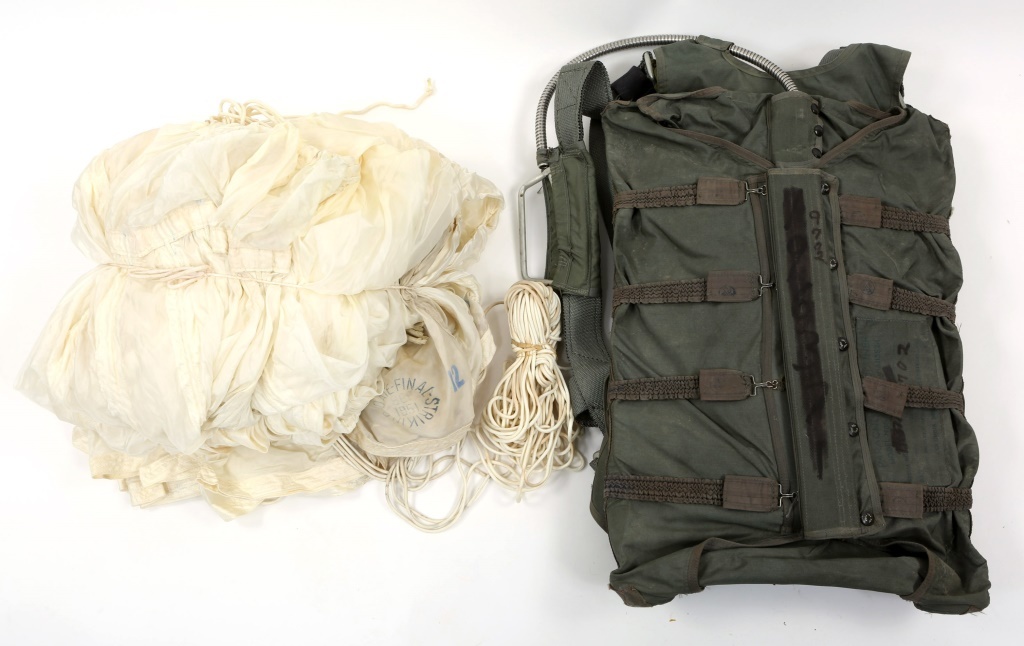
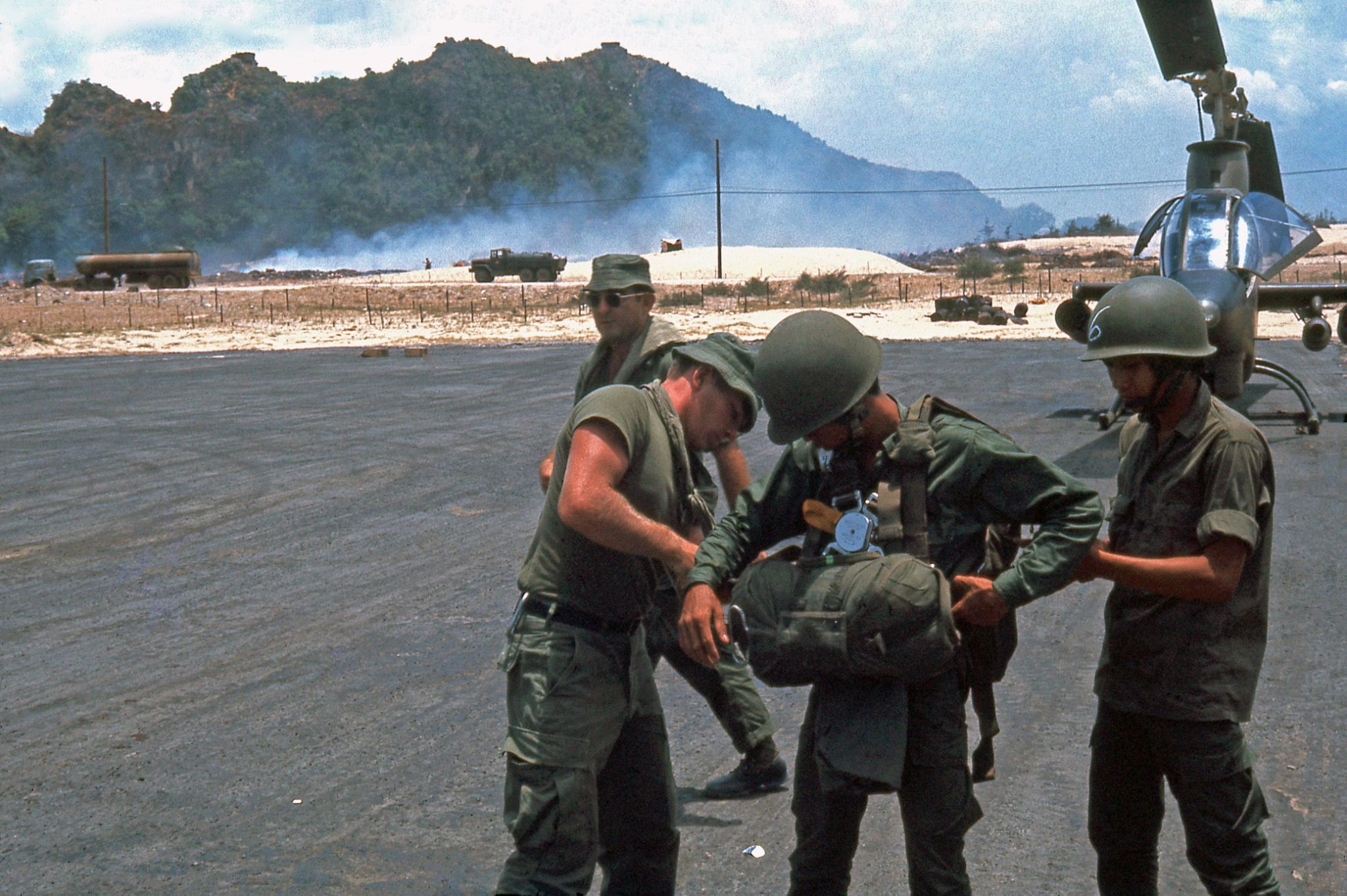
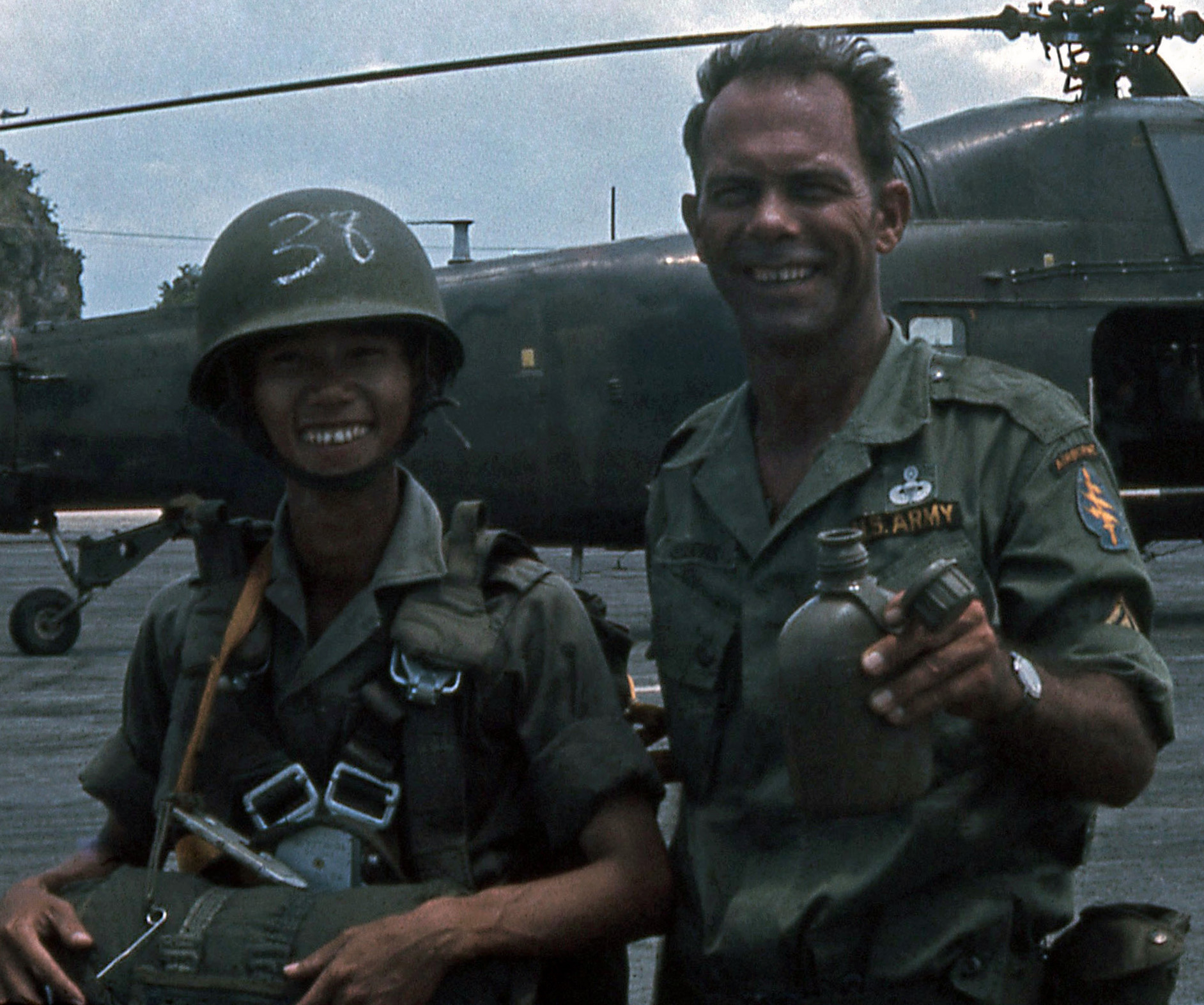
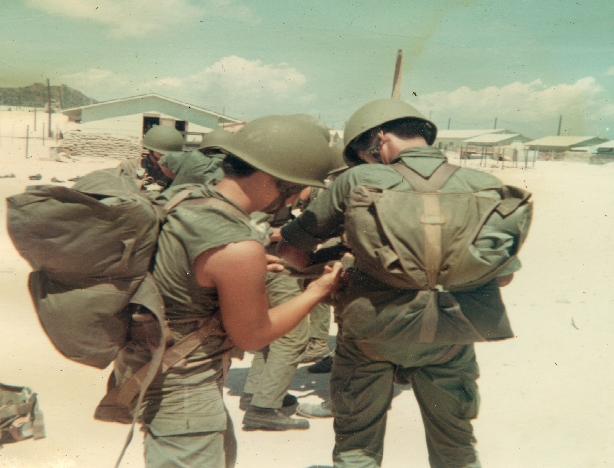
NB-8 ParachuteThe NB-8 Personnel Parachute Assembly is a back type parachute assembly which includes a 28-foot diameter, flat, nylon canopy with 28 gores. The canopy is packed in a container assembly which is secured to the air crewman’s back by a harness assembly.
-

- Don Valentine 1968 CCN
-
- Jesse Simmonds 1968 CCN
-
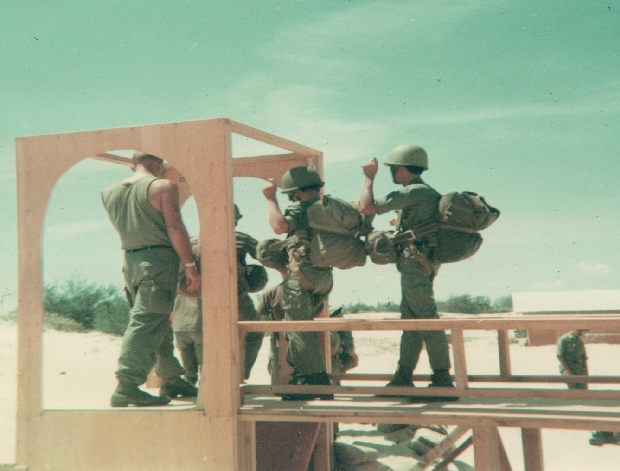
- CCN’s Nung Jump School. 1968.-BILL PEARSON
-
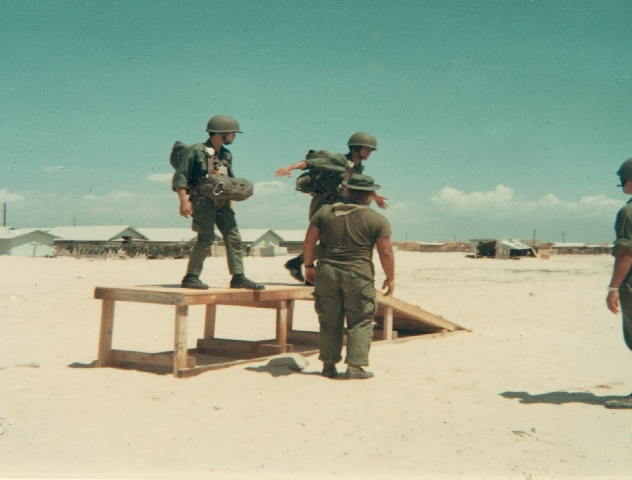
- CCN’s Nung Jump School. 1968.-BILL PEARSON
-
- CCN’s Nung Jump School. 1968.-BILL PEARSON
-
- CCN’s Nung Jump School. 1968.-BILL PEARSON

-
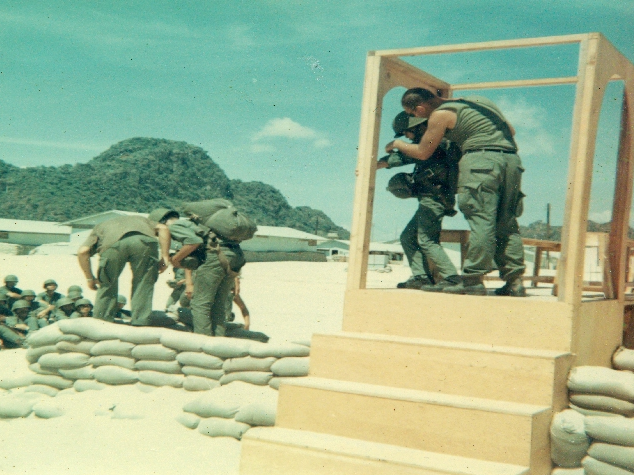
- CCN’s Nung Jump School. 1968.-BILL PEARSON
-
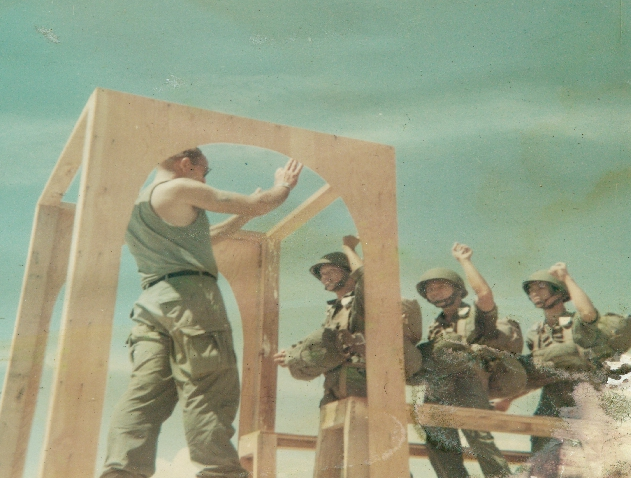
- CCN’s Nung Jump School. 1968.-BILL PEARSON
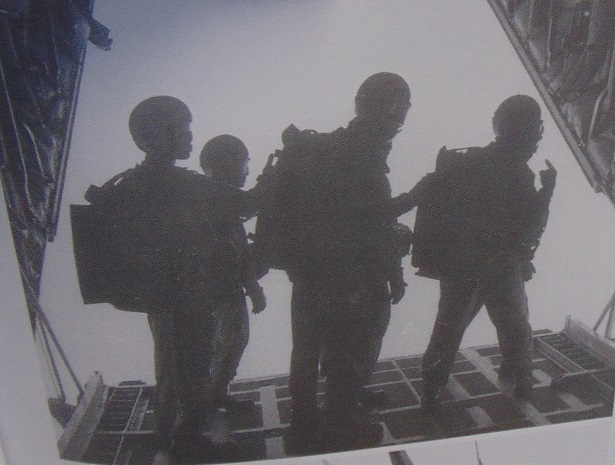
SOG’S HALO JUMPS
-
- Cliff Newman and Melvin Hill

-
- Howard Sugar
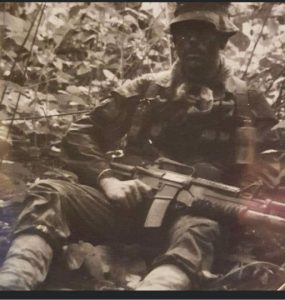
-
- Halo Suit
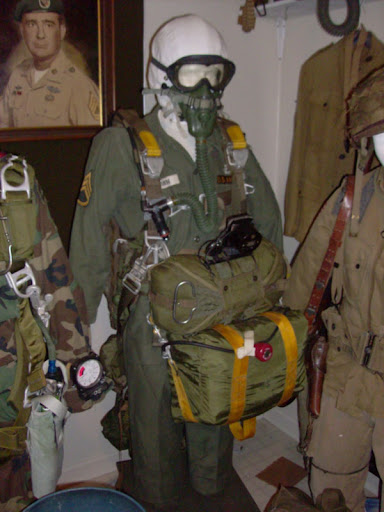
-
- SGT Madson Strohlein
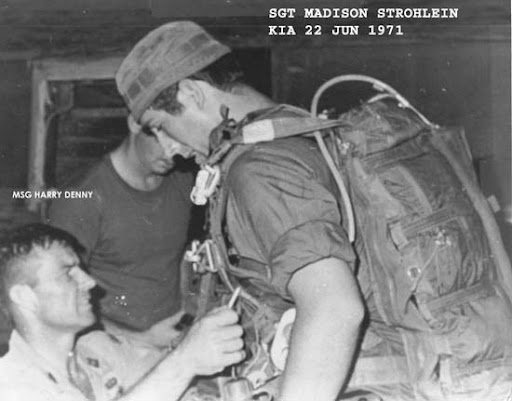
-
- J. D. Bath, Billy Waugh & Jesse Campbell

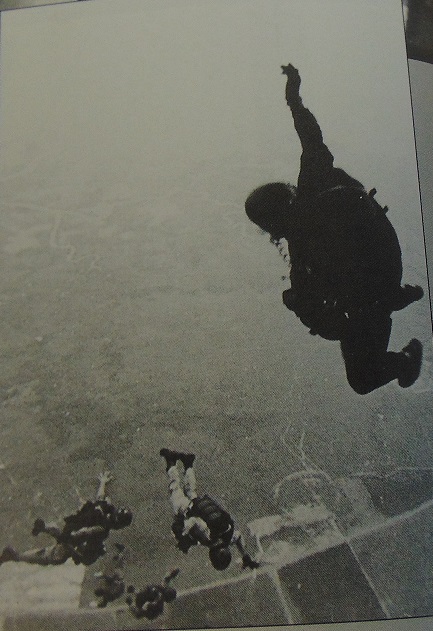
-
- Cliff Newman and Melvin Hill

-
- Staff Sergeant Cliff Newman, Sergeant First Class Sammy Hernandez, and Sergeant First Class Melvin Hill
-
-
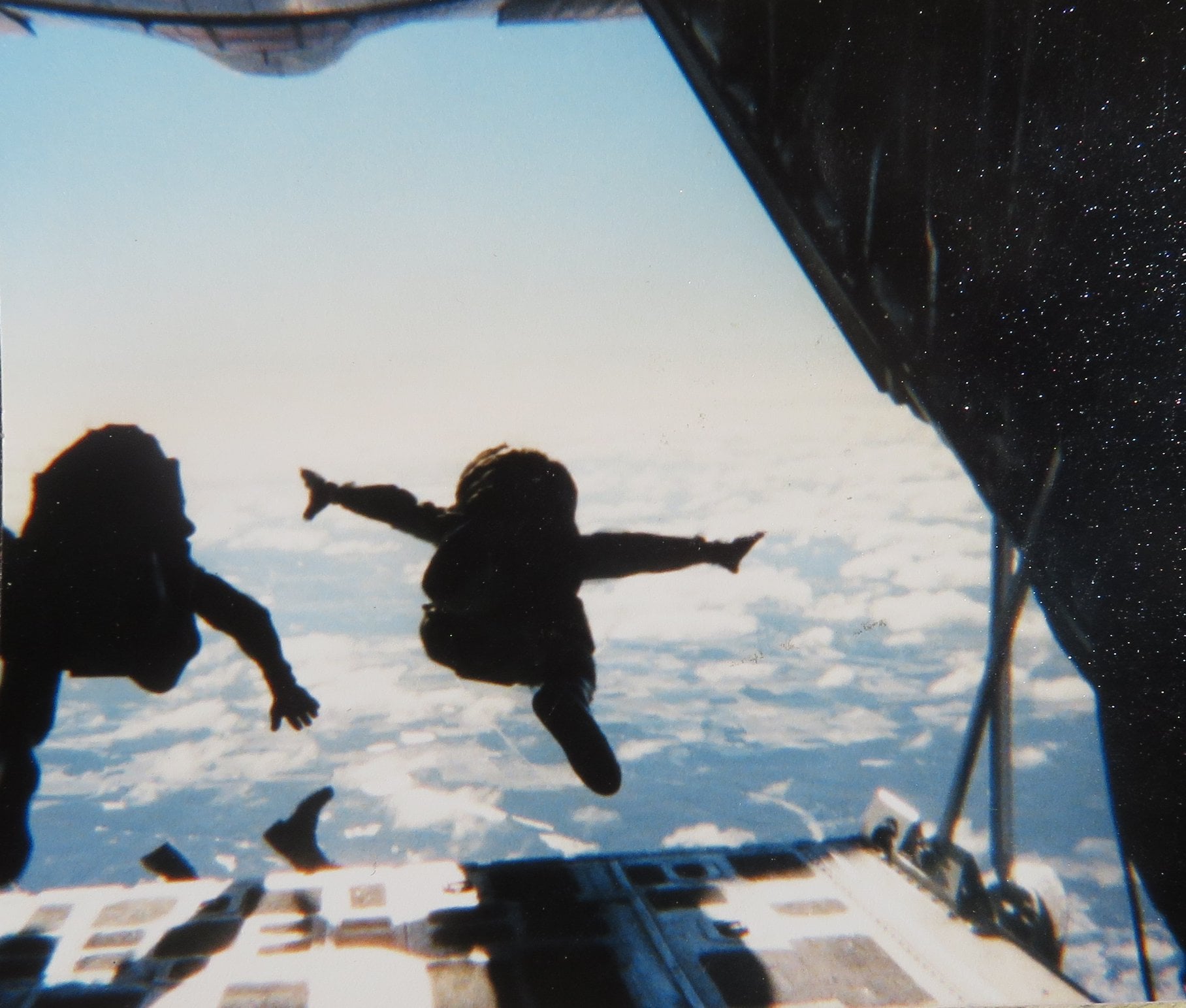
James Shorten Just landed after his first HALO jump in Vietnam. Training jump, Spec Ops base, SOA-B53. Oct. 1970
The jump was low at 11,500′. We opened up at 1,000′ feet. We couldn’t go higher due to aircraft clearance from Saigon, VietNam

-
- “James Shorten” I made three free falls while in Vietnam, SOA-B53
The McGuire Rig
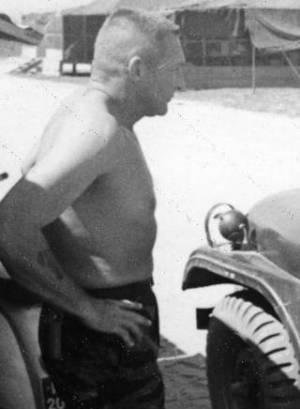
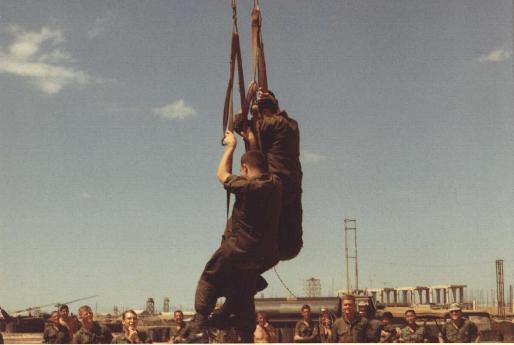
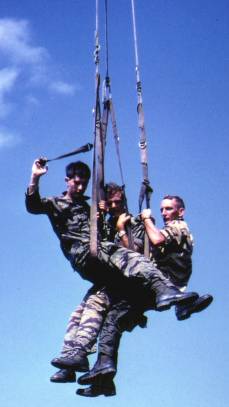
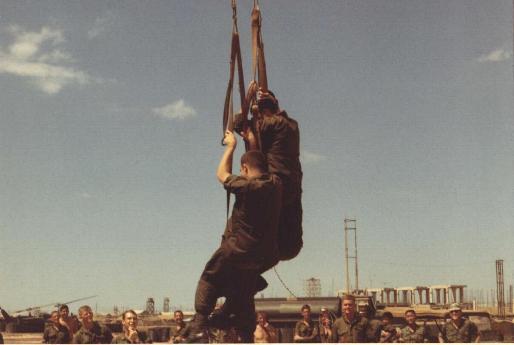
Named after its inventor, Sgt Maj Charles T.McGuire, a member of project Delta circa 1964-1965. The McGuire rig was a device for
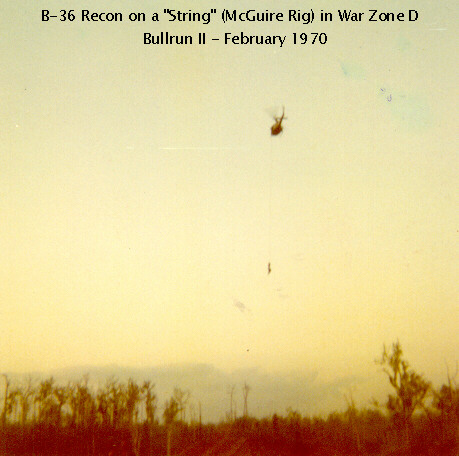
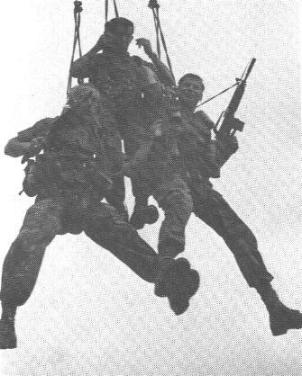
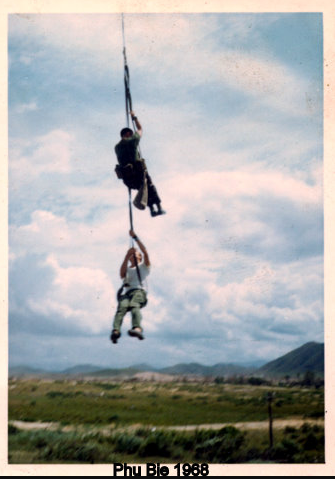
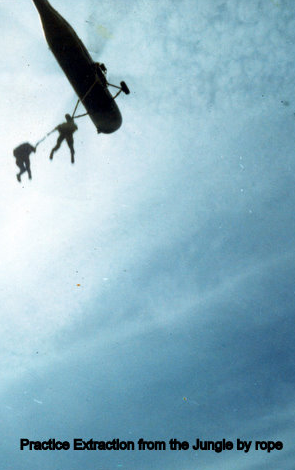
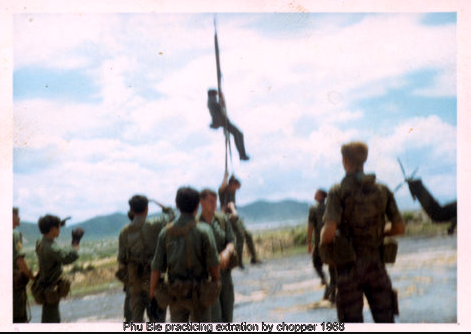
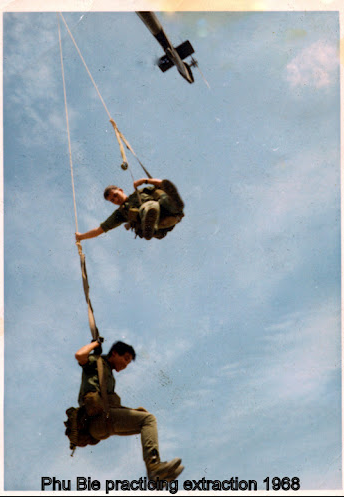
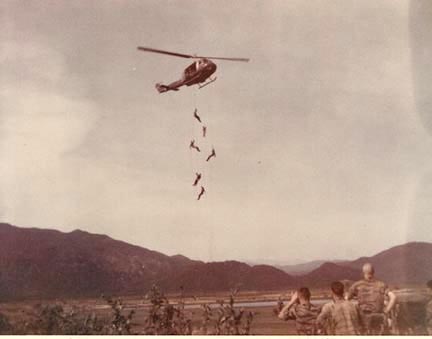
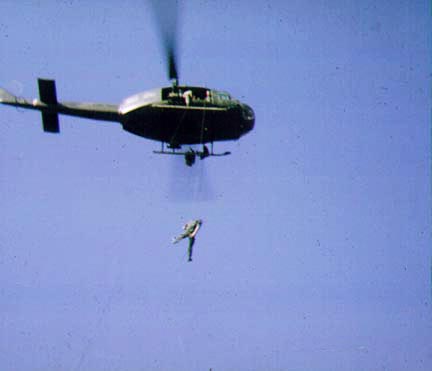
extracting up to 3 patrol members in one go from area’s in the jungle that were inaccessible, or where enemy fire prevented a normal helicopter extraction. The rig was basically a 2in wide webbing sling, which was attached to the end of a rope, which was in turn lowered from a hovering helicopter. The individual(s) would then place the web sling around their buttocks (sitting in it), and slip their hands through the wrist loops that were attached to the sling. These would tighten up to prevent the person from falling as he was hoisted away by the helicopter. The main limitations with the McGuire rig were that it had to be fitted while standing upright, and that the users hands were NOT free to untangle themselves, fire a weapon, or use a radio. The rig was also uncomfortable and impaired the blood circulation, for these reasons it was normally used only in dire emergency situations which involved short distances of flight.
-
- Project Delta’s Sergeant Major Charles T. McGuire – renown for the McGuire rig used to extract recon teams.
-
- Strings 120′

-
- B-36_Recon_On_McGuire_Rig
-
- McGuire rig

-
- SFC McGovern Phu Bia in 1968 of rope extraction

-
- McGUIRE RIG
-
- Three Project Delta soldiers ride a McGuire rig during training at Mai Loc, I Corps, 1969
HANSON RIG
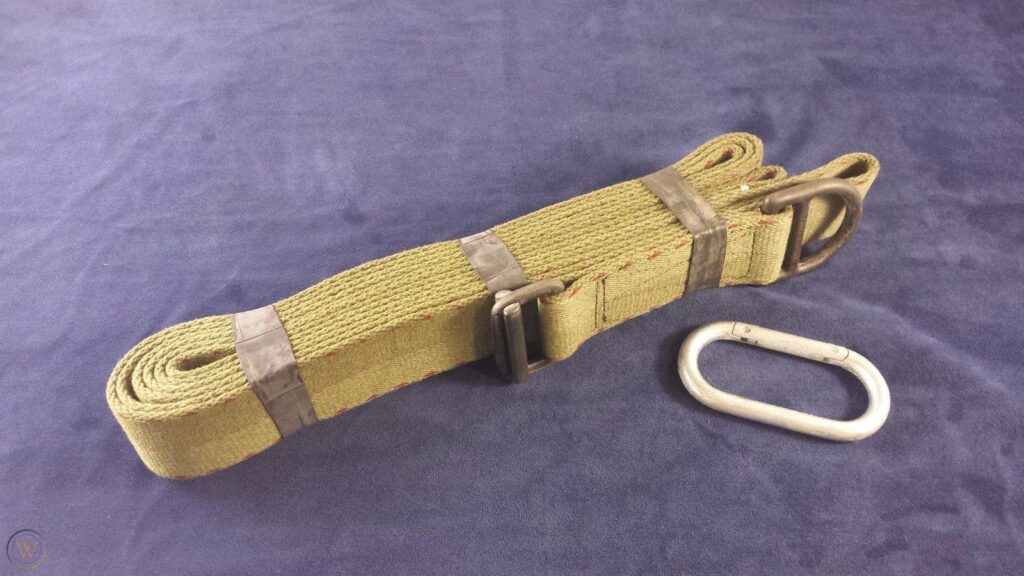
VIETNAM HANSON RIG EXTRACTION HARNESSThese are made in very limited quantitiesHISTORY: Developed by FOB-2 One-Zero Bill Hanson. This method of extraction preceded the STABO Harness. The Hanson Rig replaced the McGuire Rig as a safer, more reliable method of Helo extraction. These were typically folded over then taped and secured to the equipment belt or suspenders with a carabiner until extraction was imminent. It was worn for the full duration of the combat operation, in which to allow for rapid extraction by the rope (“strings”) method, if a conventional helicopter LZ could not be quickly established (which was frequently experienced in South East Asia, as reconnaissance teams were operating deep in heavily forested enemy territory).
STABO RIG
The STABO rig:
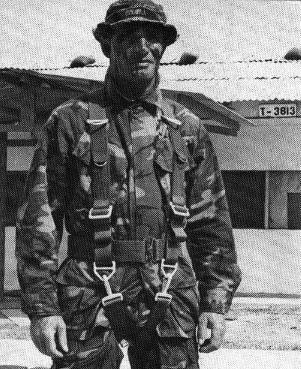
A direct descendant of the McGuire rig and was first demonstrated by the Special Forces MACV RECONDO school on the 1st of October 1968. The STABO rig was a more efficient extraction harness. The new rig was developed by Maj. Robert Stevens, Cpt. John Knabb, and Sfc Cliff Roberts, all of whom were instructors at the Nha Trang RECONDO school. This new extraction harness was called the STABO rig, a name derived from the initials of its creators. The first test rigs were locally produced, when these were deemed satisfactory the 5th SFG put in a priority request for 1000 rigs on the 30th of June 1969. The STABO rig was made from nylon webbing and resembled a parachute harness, and the infantry mans standard load bearing equipment. The main lift harness straps formed an “X” across the wearers back, the leg straps were kept secured rolled up with elastic bands, in order to stop them from dangling loose. These would only be buckled up via metal “D” rings under the wearers crotch when he was to be extracted. The harness replaced the normal pistol belt suspenders. The pistol belt itself was threaded through the loops in the harness and allowed various items (waterbottle, ammo pouches, etc) to be attached to it in the normal way. The Army dragged its feet here a bit by instituting a long and drawn out state-side series of safety tests which were not completed until 31st of March 1970. In the meantime Special Forces had to rely on a limited supply of approx 500 STABO rigs. These had been produced by the 2nd logistical command on Okinawa and purchased through the counterinsugency support office. Eventually regular Army funds became available, and Natick labs began procurement procedures.
An overall improvement over the McGuire rig, and a much safer means of achieving a helicopter extraction (although this method of extraction could still give even the toughest “Ombre” the “pucker factor” big time!), the STABO rig was a good piece of kit. It could be used to extract a man who was unconscious, and if not unconscious would permit the individual to still fire his weapon or use a radio if needed.
From the 16th of October to the 31st of December 1970 approx 3,300 STABO rigs were sent to the 5th SFG and MACV-SOG in Vietnam, and to the 46th SF Co in Thailand.
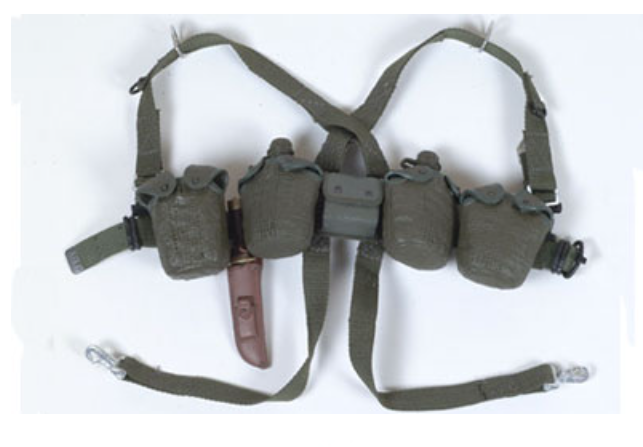
STABO Rope
The STABO rig was far more secure, safe and comfortable than the McGuire rig, and perhaps most importantly, it allowed the unrestricted use of the operator’s hands, to operate any weapons during the frequently ‘hot’ extractions from a combat landing or pickup zone. Further, the rig was equally effective if an operator was wounded or unconscious.
-
- STABO RIG
-
- Ridding the STABO Rigs, CCC Kontum, Vietnam VeteranI loved ridding these ropes. I (James Shorten) did it 16 times…

Attaching block, Ropes, Ladder, STABO harness (Photo: “US Army Uniforms of the Vietnam War,” Shelby Stanton)
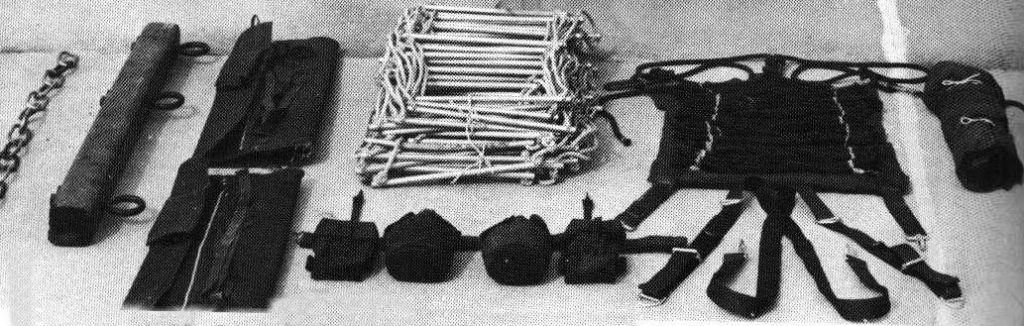
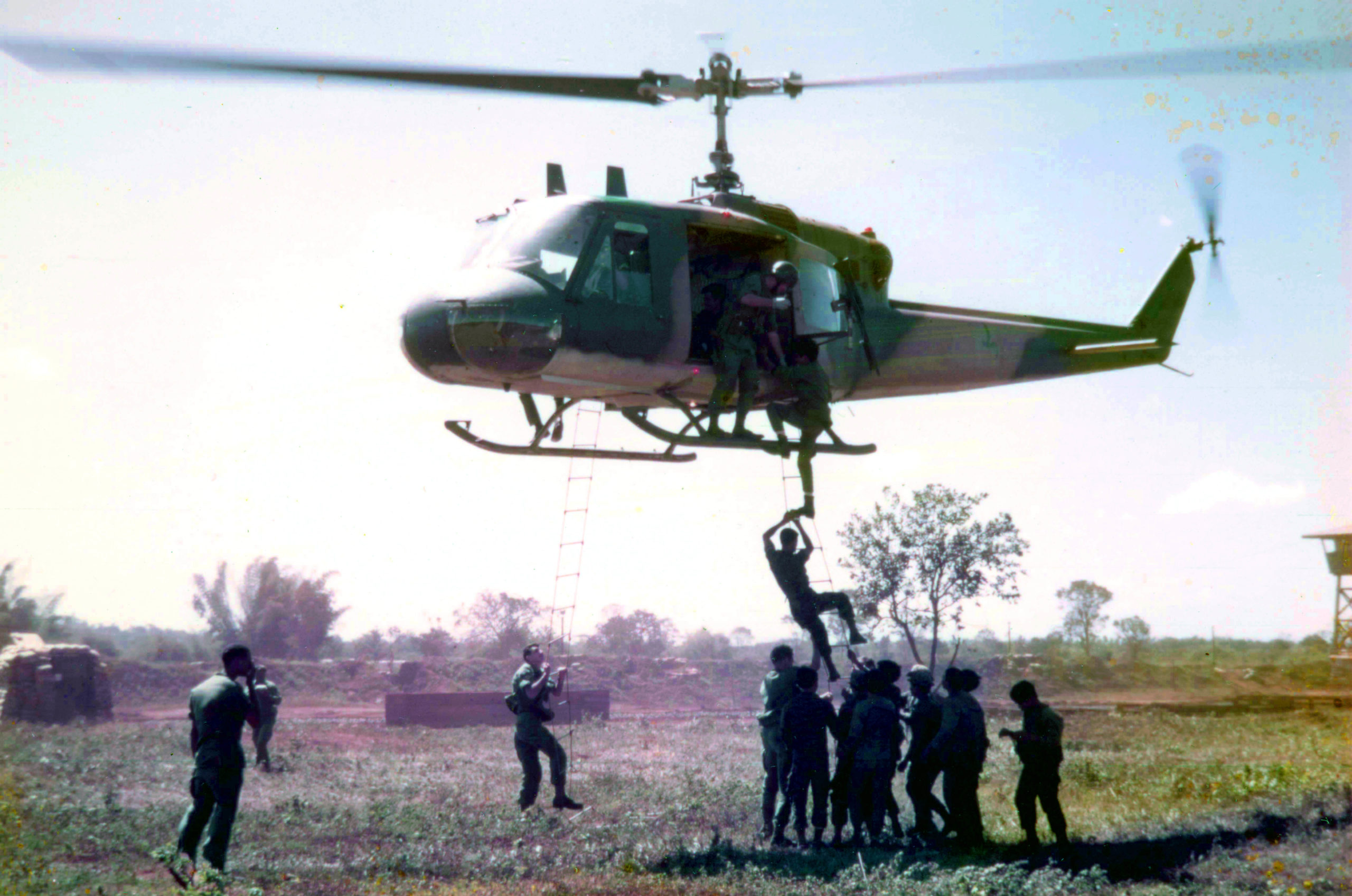
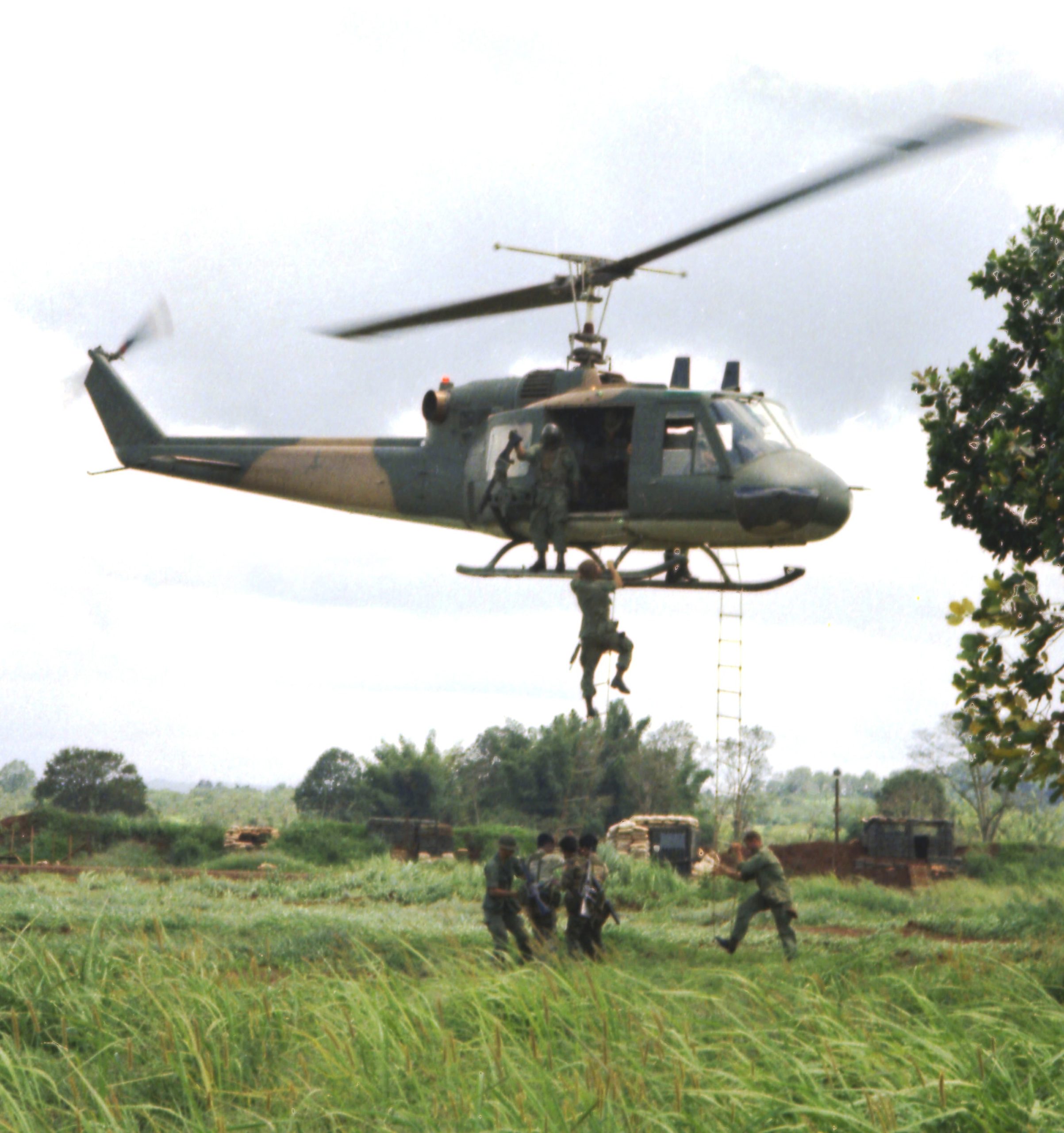
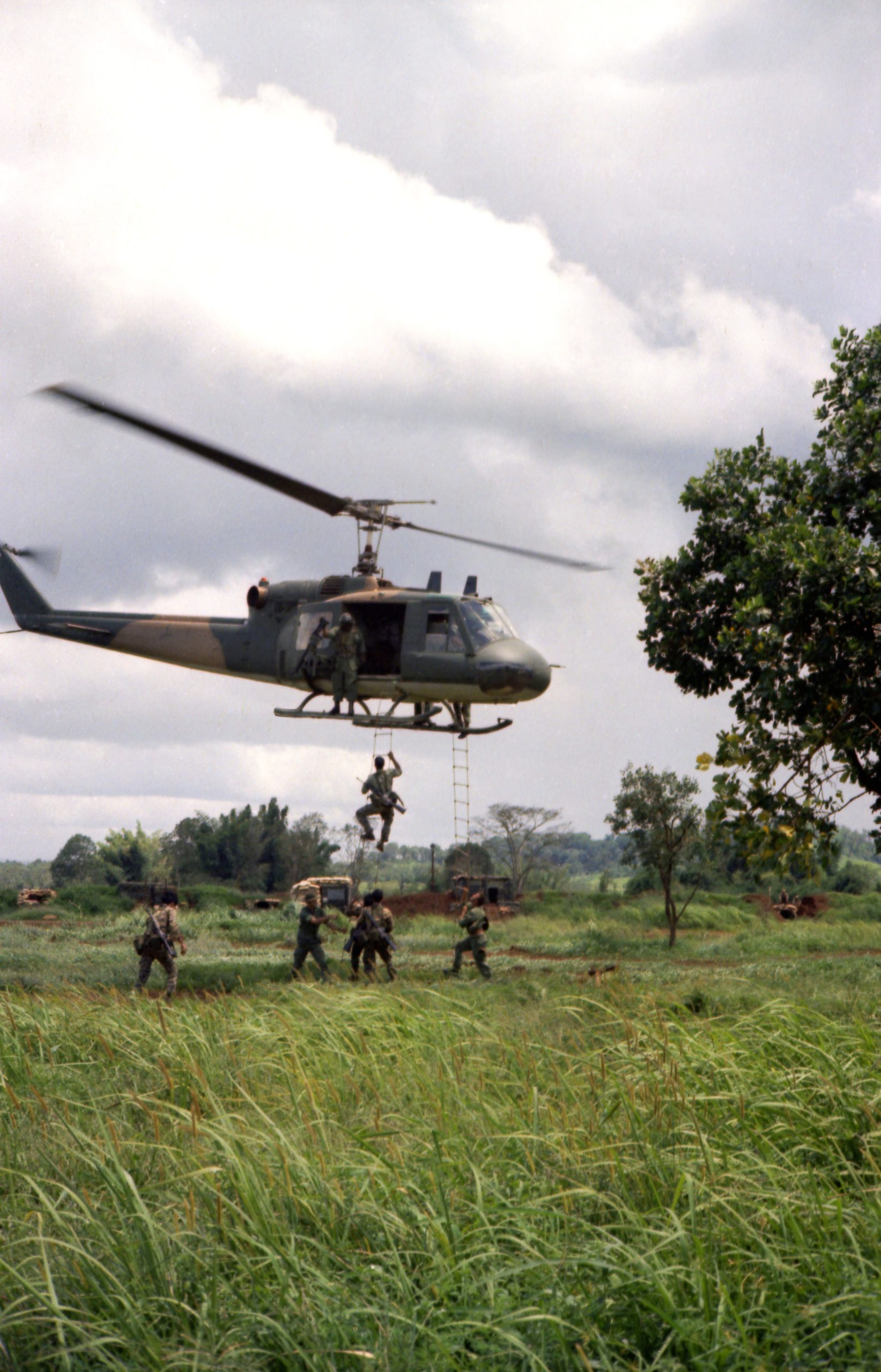
Ladders
-
- Ladder Exfil
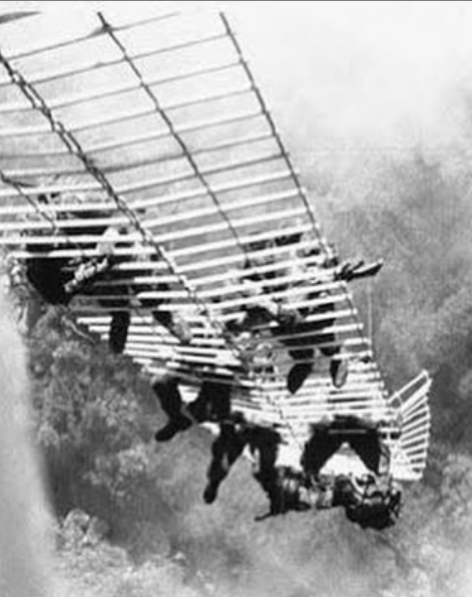
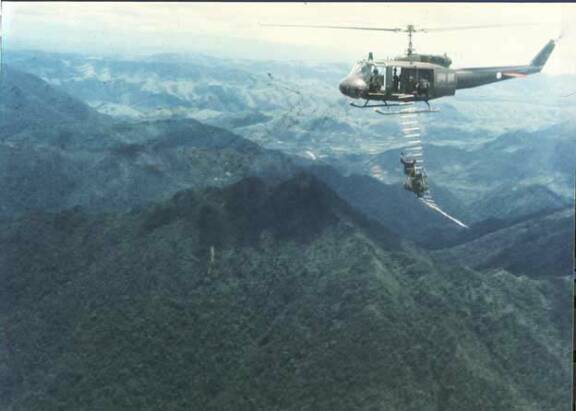
-
- Extraction Ladder
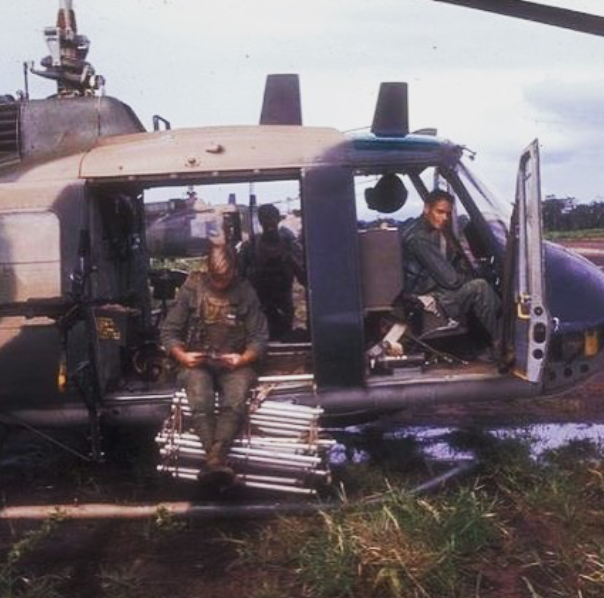
-
- “James Shorten” I didn’t like doing this.
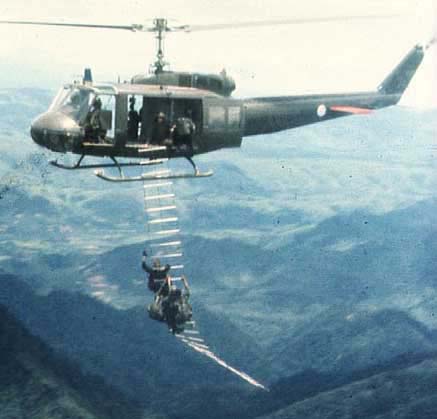
-
- Ridding ladders, high above the ground. Over 4000′ plus up…

-
- RT Maine
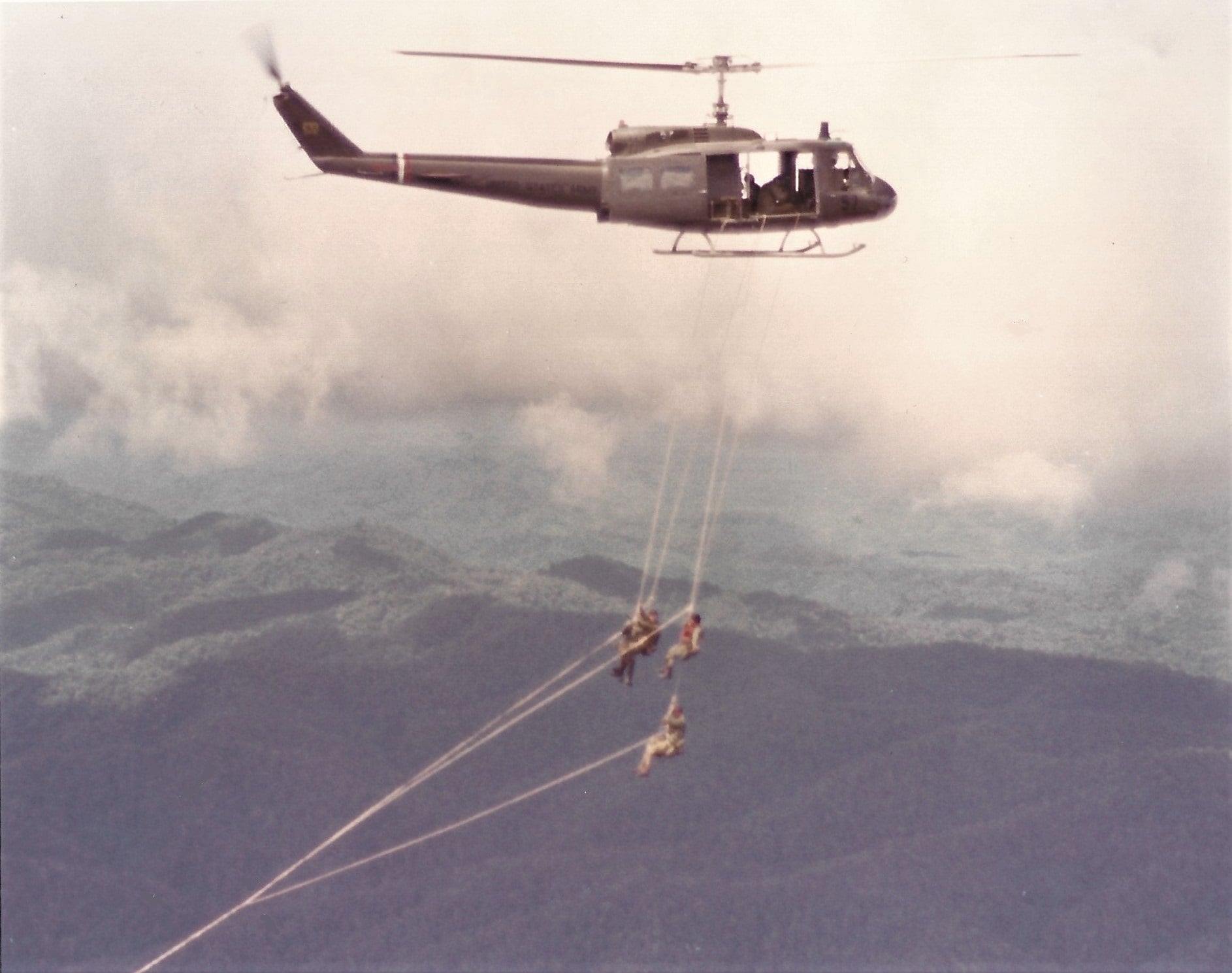
-
- McGwire rig practice.
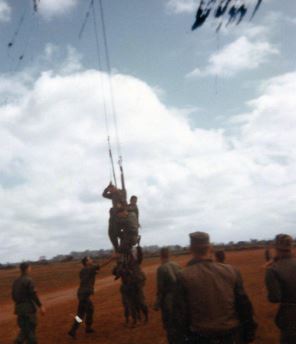
-
- McGuire Rig Training at CCN Photo’s by Bill Pearson 67-68

-
- McGuire Rig Training at CCN Photo’s by Bill Pearson 67-68
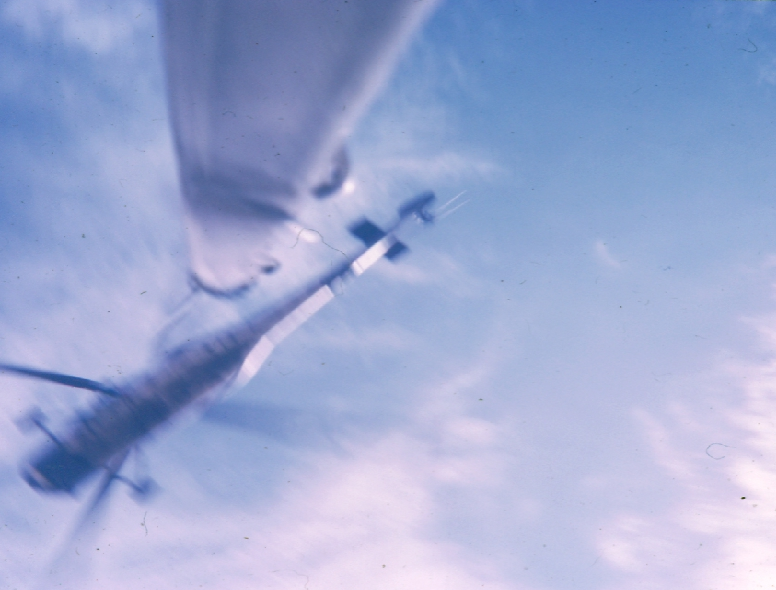
-
- McGuire Rig Training at CCN Photo’s by Bill Pearson 67-68
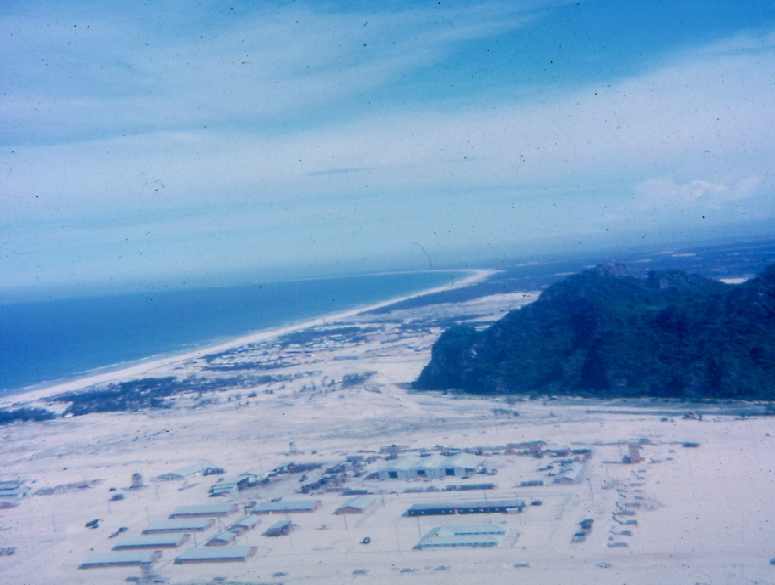
-
- McGuire Rig Training at CCN Photo’s by Bill Pearson 67-68
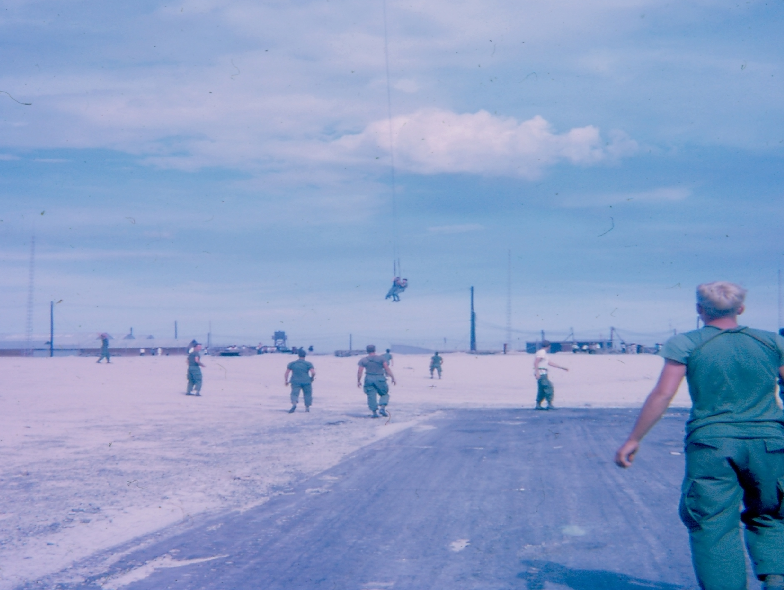
-
- McGuire Rig Training at CCN Photo’s by Bill Pearson 67-68

-
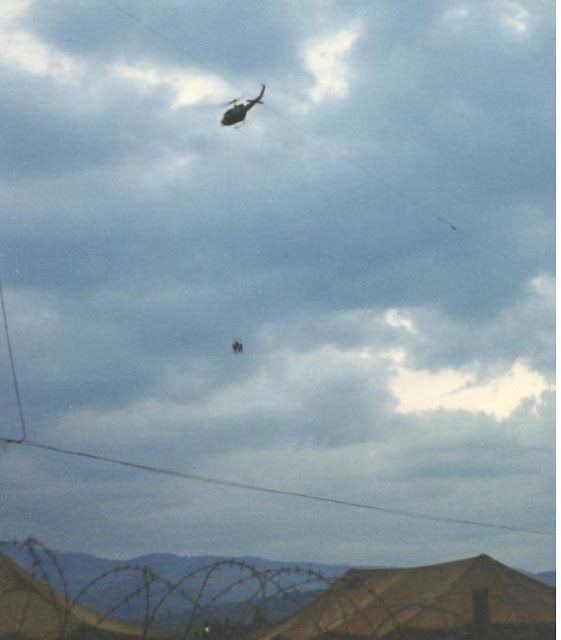
- Phu Bia in 1968 of rope extraction
-
- Phu Bia in 1968 of rope extraction
-
- Phu Bia in 1968 of rope extraction
-
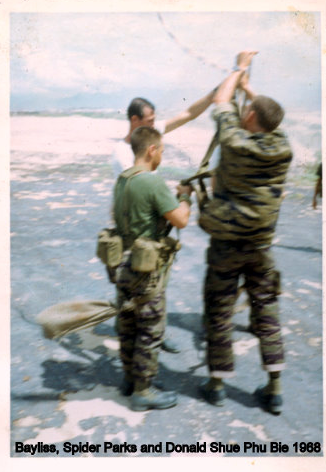
- Bayliss, Spider Parks and Donald Shue Phu Bia in 1968 of rope extraction
-
- Phu Bia in 1968 of rope extraction
-
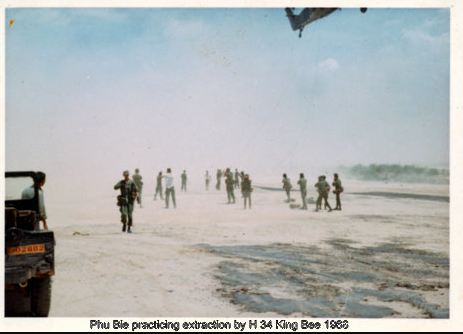
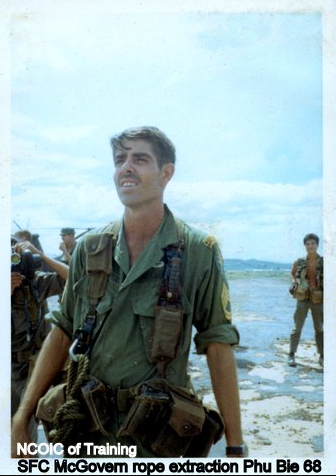
- SFC McGovern Phu Bia in 1968 of rope extraction
-
- SFC McGovern Phu Bia in 1968 of rope extraction
-
- Phu Bia Practicing Extraction 1968
-
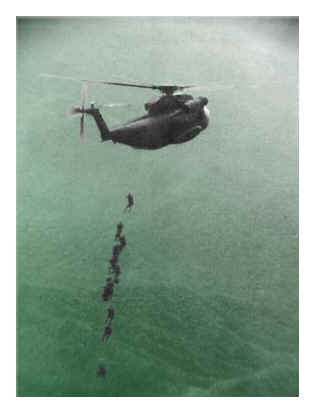
- B-36_Recon_On_McGuire_Rig
-
- Strings 120′
-
- Stings Back To Base